

Introduction
Every child is born curious. From asking endless “why” questions to exploring the smallest details around them, children have a natural desire to learn. But in today’s fast-paced world, with screens, schedules, and distractions, sustaining that curiosity can be a challenge.
The good news? Parents play a powerful role in shaping a child’s love for learning — not by teaching more, but by creating the right environment.
At Darwin Public School, Chennai, we believe learning starts long before the classroom. Here are practical ways parents can nurture curiosity and lifelong learning at home.
1. Encourage Questions, Not Just Answers
Children who ask questions develop deeper understanding and problem-solving skills.
Instead of rushing to give the right answer, try responding with,
“That’s an interesting thought — what do you think?”
This invites reflection, creativity, and independent thinking.
A curious child becomes a confident learner — one who learns for the joy of discovery, not just for grades.
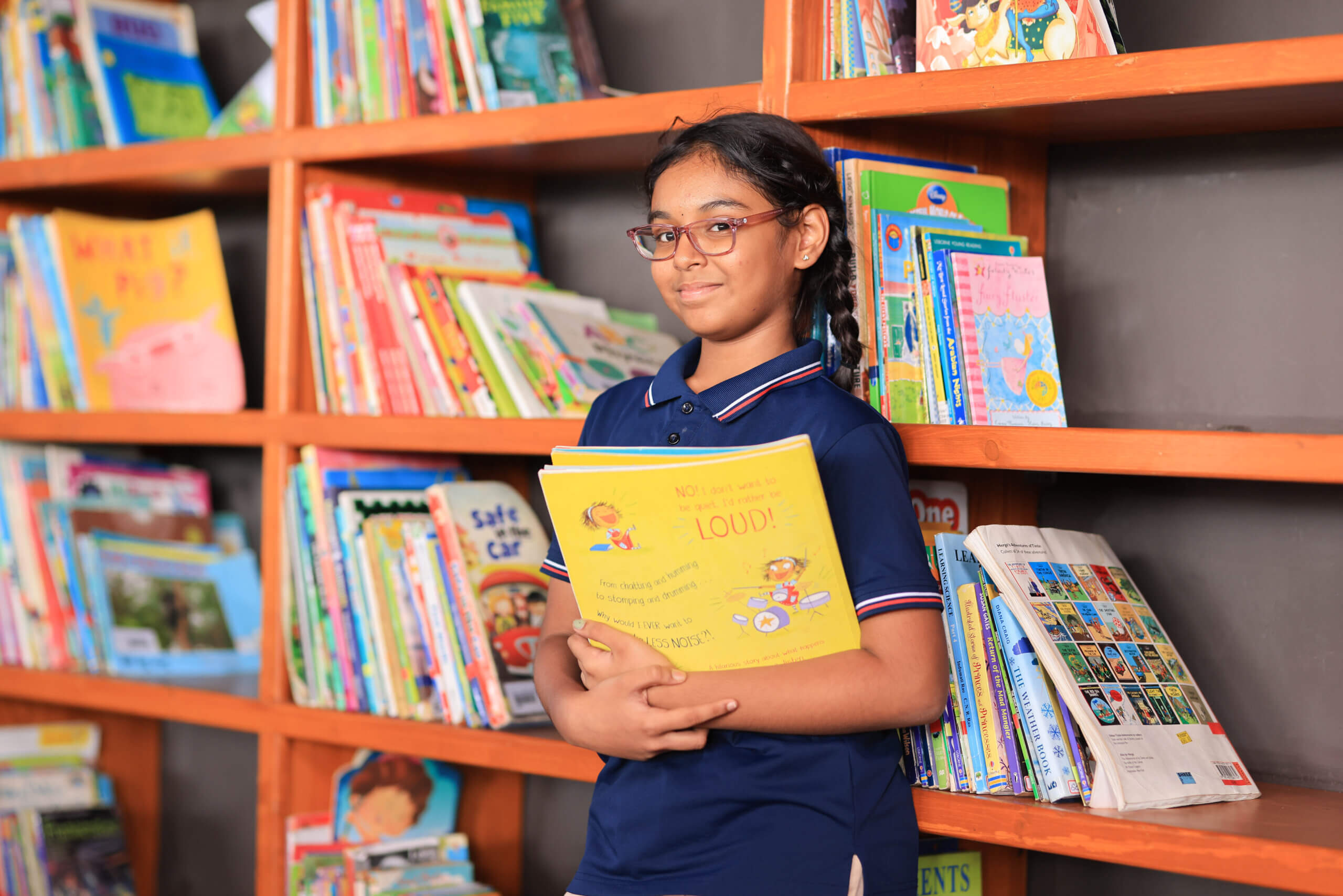
2. Build a Reading Culture at Home
Reading is one of the simplest yet most powerful habits parents can nurture.
Create a small reading corner with books suited to your child’s interests — stories, science, or art.
Let reading be a shared family activity, not a task. Children who see their parents reading are more likely to develop strong comprehension and imagination skills.
3. Make Everyday Experiences a Lesson
Learning doesn’t always require textbooks.
Cooking can become a math lesson about measurement. A walk in the park can be a science discussion about plants and insects.
When children connect learning to daily life, they begin to see knowledge as meaningful and exciting.
4. Balance Technology and Real-World Exploration
Technology, when used thoughtfully, can enhance learning. But too much passive screen time limits curiosity.
Encourage your child to use technology for creation — drawing, research, or storytelling — rather than consumption.
At the same time, prioritize hands-on experiences that engage their senses and emotions.
5. Praise Effort, Not Just Achievement
Children thrive when their efforts are recognized, not just their results.
Instead of saying, “You’re so smart,” try, “I love how hard you worked on that problem.”
This builds a growth mindset — helping children understand that intelligence grows through perseverance.
At Darwin, this belief underpins our classroom philosophy: learning through exploration, effort, and reflection.
6. Model the Joy of Lifelong Learning
Children learn more from what we do than what we say.
Share your own learning moments — whether you’re reading an article, solving a challenge at work, or picking up a new skill.
When children see adults learning with curiosity, they mirror that attitude naturally.
7. Create Calm and Unstructured Time
In a world filled with scheduled activities, children also need space to think and imagine.
Unstructured play, quiet time, and even moments of boredom can spark creativity.
Let them build, draw, imagine, and experiment without rules — it’s often where the best learning happens.
Conclusion
Nurturing a love for learning is less about academic pressure and more about emotional connection, curiosity, and encouragement.
When parents and educators work together to create such an environment, children grow into confident, self-motivated learners who carry curiosity throughout life.
At Darwin Public School, we aim to continue this partnership — extending the love for learning that begins at home into every classroom experience.