

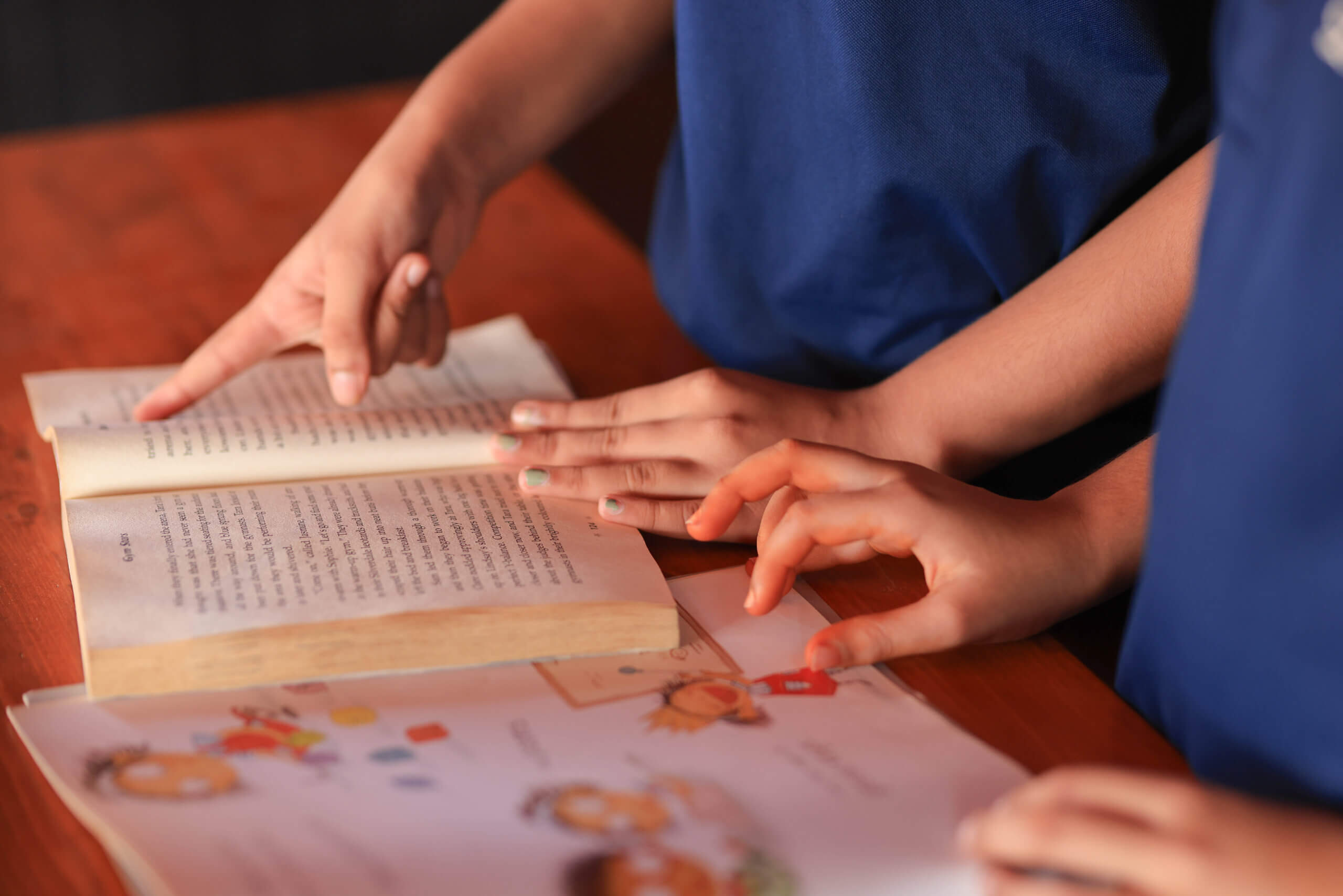
When parents choose the ICSE curriculum, they expect more than just academic excellence—they look for a system that builds real-world skills, nurtures independent thinking, and prepares children for a competitive future. One of the most valuable abilities ICSE develops is critical thinking.
At Darwin Public School, we believe that true learning goes beyond memorizing answers. Students should learn to question, analyze, evaluate, and make informed decisions. This is exactly what critical thinking cultivates—and why it forms the backbone of our ICSE teaching approach.
What Is Critical Thinking?
Critical thinking is the ability to:
- Understand information clearly
- Analyze problems effectively
- Apply logic to reach conclusions
- Think beyond rote learning
- Make decisions with confidence
In a fast-changing world, critical thinkers become better problem-solvers, smarter decision-makers, and more independent learners.
Why ICSE Learning Naturally Promotes Critical Thinking
The ICSE syllabus is designed to encourage application, comprehension, and conceptual clarity. Unlike traditional rote-based education, ICSE pushes students to:
1. Understand Concepts Deeply
Subjects like Mathematics, Science, and English require analytical thinking, structured reasoning, and strong interpretation skills.
2. Explore Beyond Textbooks
ICSE supports projects, assignments, and activity-based learning—all of which strengthen observation, creativity, and real-life application.
3. Think Independently
Students are encouraged to ask questions, express their opinions, and challenge ideas—key elements in developing critical thinking.
4. Connect Learning to Real-Life Situations
The curriculum emphasizes practical knowledge. Whether it is an experiment in science or a case study in social science, students learn to connect theory with real-world examples.
How Darwin Public School Builds Critical Thinking in ICSE Learners
At Darwin Public School, we integrate critical thinking across every grade and subject through:
1. Inquiry-Based Classrooms
Teachers use open-ended questions, discussions, and brainstorming activities that encourage students to think, respond, and reason.
2. Hands-On Learning
Science labs, math manipulatives, interactive tools, and digital resources help children understand concepts through exploration.
3. Project-Based Learning
Every child participates in projects that involve research, planning, teamwork, and presentation—boosting creativity and analytical skills.
4. Real-Life Problem Solving
Practical challenges, role-play activities, and real-world case studies help students apply what they learn in meaningful contexts.
5. Reading and Communication Skills
Strong reading programs and communication-focused activities enhance comprehension, vocabulary, and expression—all essential for critical thinking.
6. Technology-Integrated Learning
Smart classrooms, digital content, and educational tools help students explore deeper, analyze faster, and understand better.
Benefits of Building Critical Thinking Skills Early
A child who develops strong critical thinking skills becomes:
- More confident in decision-making
- Independent and self-driven
- Better at solving academic and real-life challenges
- Creative and innovative in thinking
- Effective in communication and collaboration
- Prepared for future careers that value analytical skills
These benefits make critical thinking a life skill—not just an academic requirement.
Conclusion
Building a strong foundation in critical thinking is one of the greatest gifts we can give children. Through the ICSE curriculum and our learner-centric teaching approach, Darwin Public School ensures every child grows into an intelligent, thoughtful, and future-ready individual.
If you’re looking for an ICSE school in Chennai that focuses on holistic growth and analytical development, Darwin Public School is the place where your child’s thinking takes flight.